HOUSE UNDER THE POPLARS

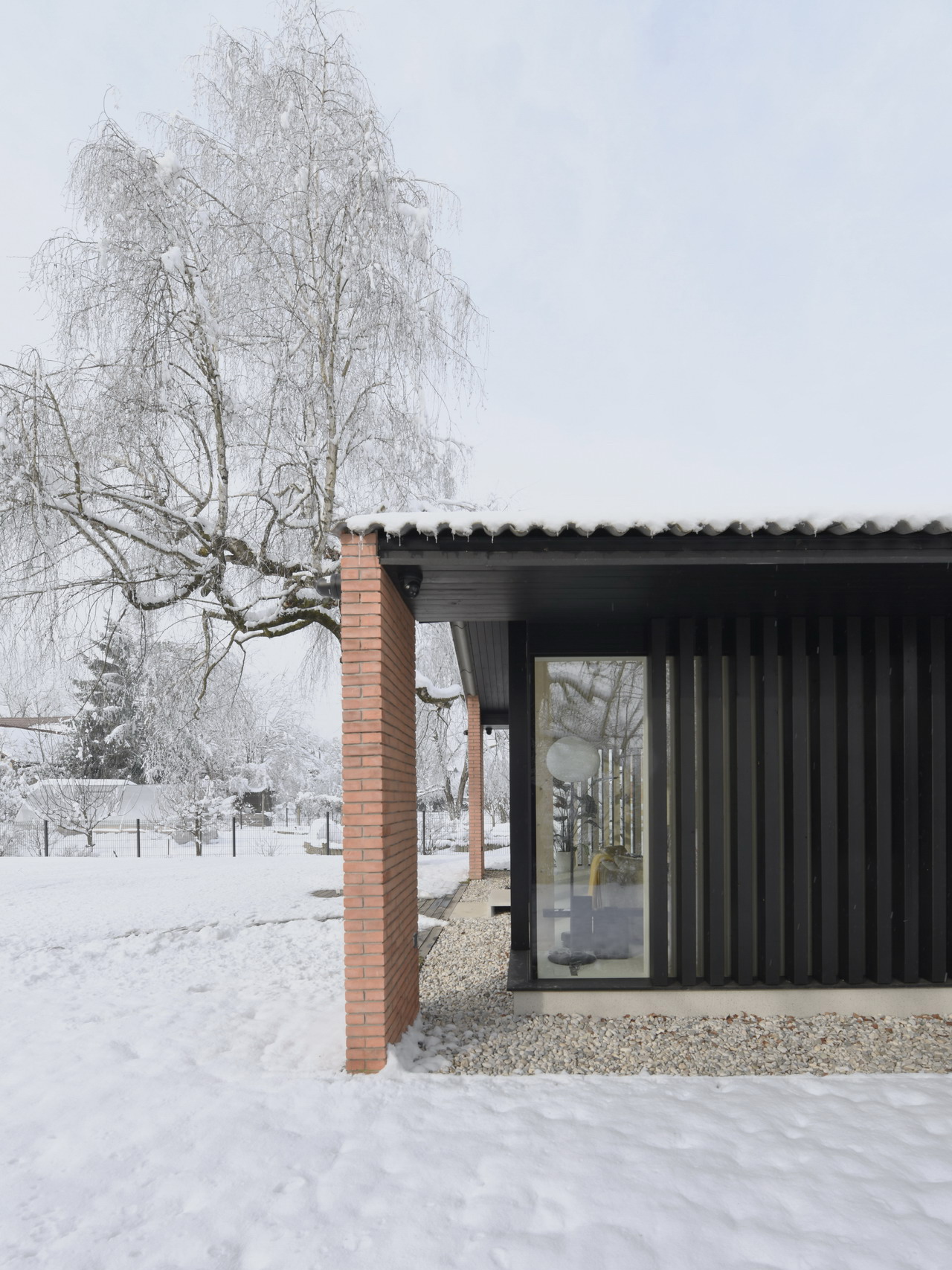
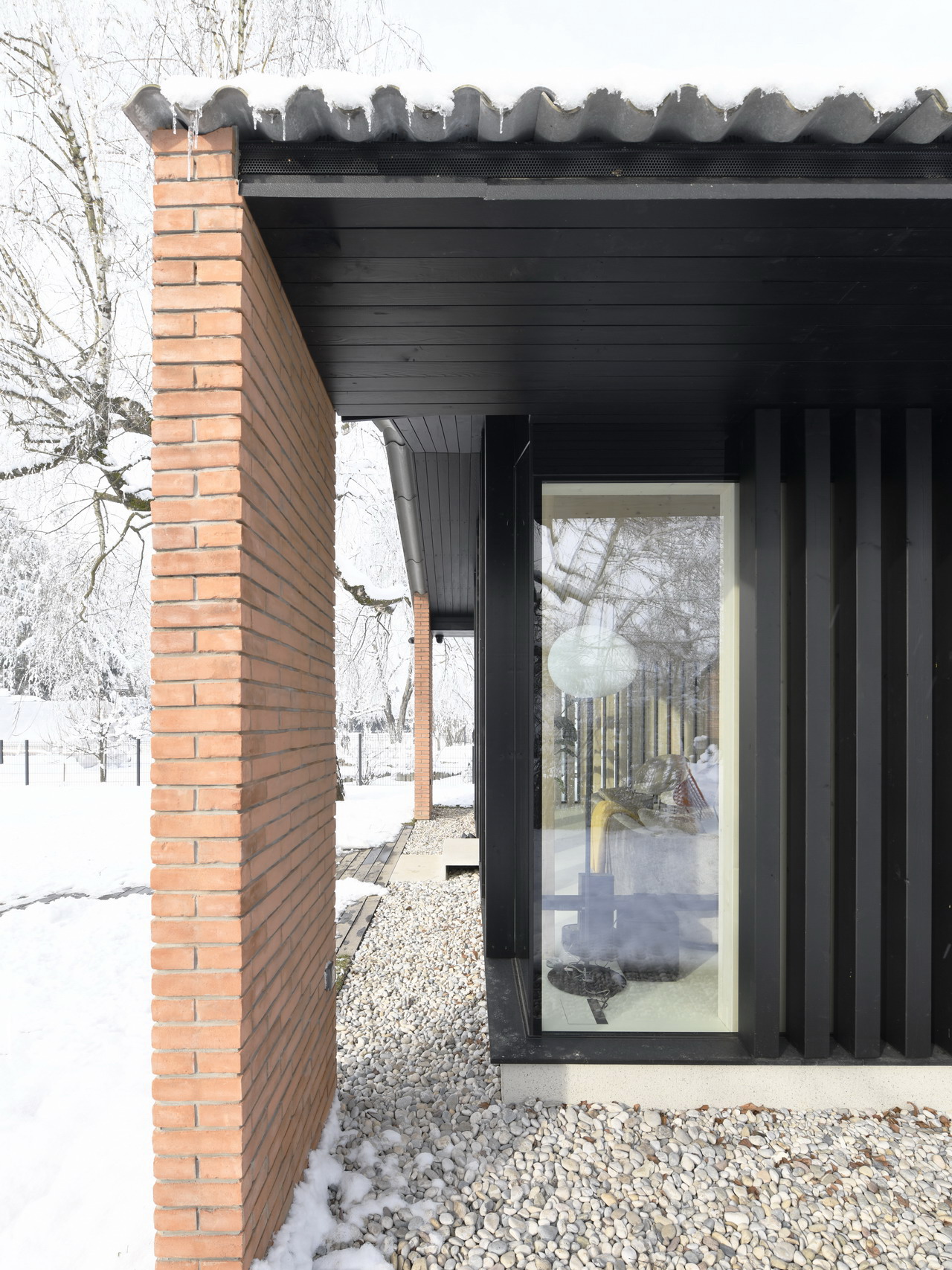
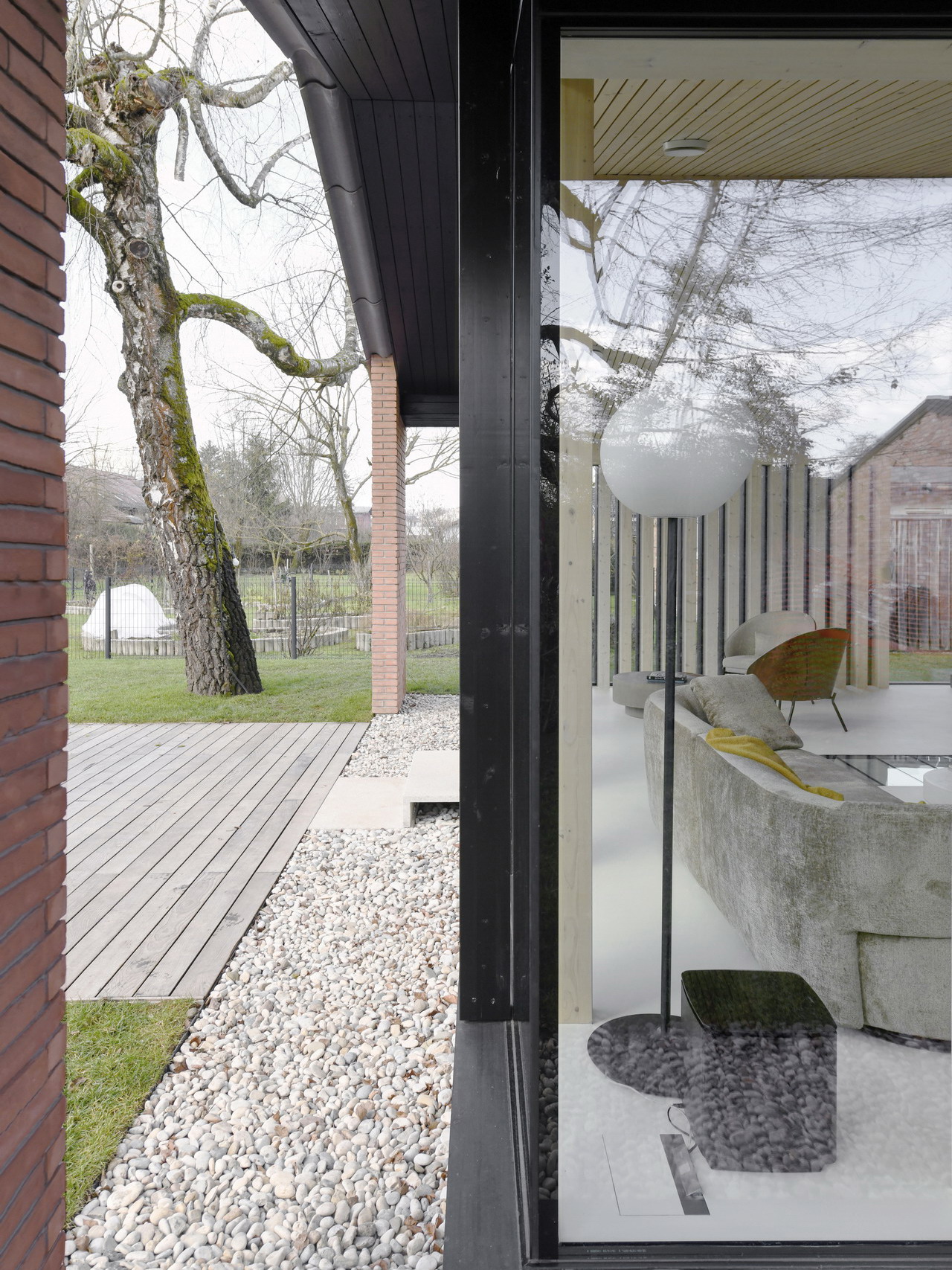
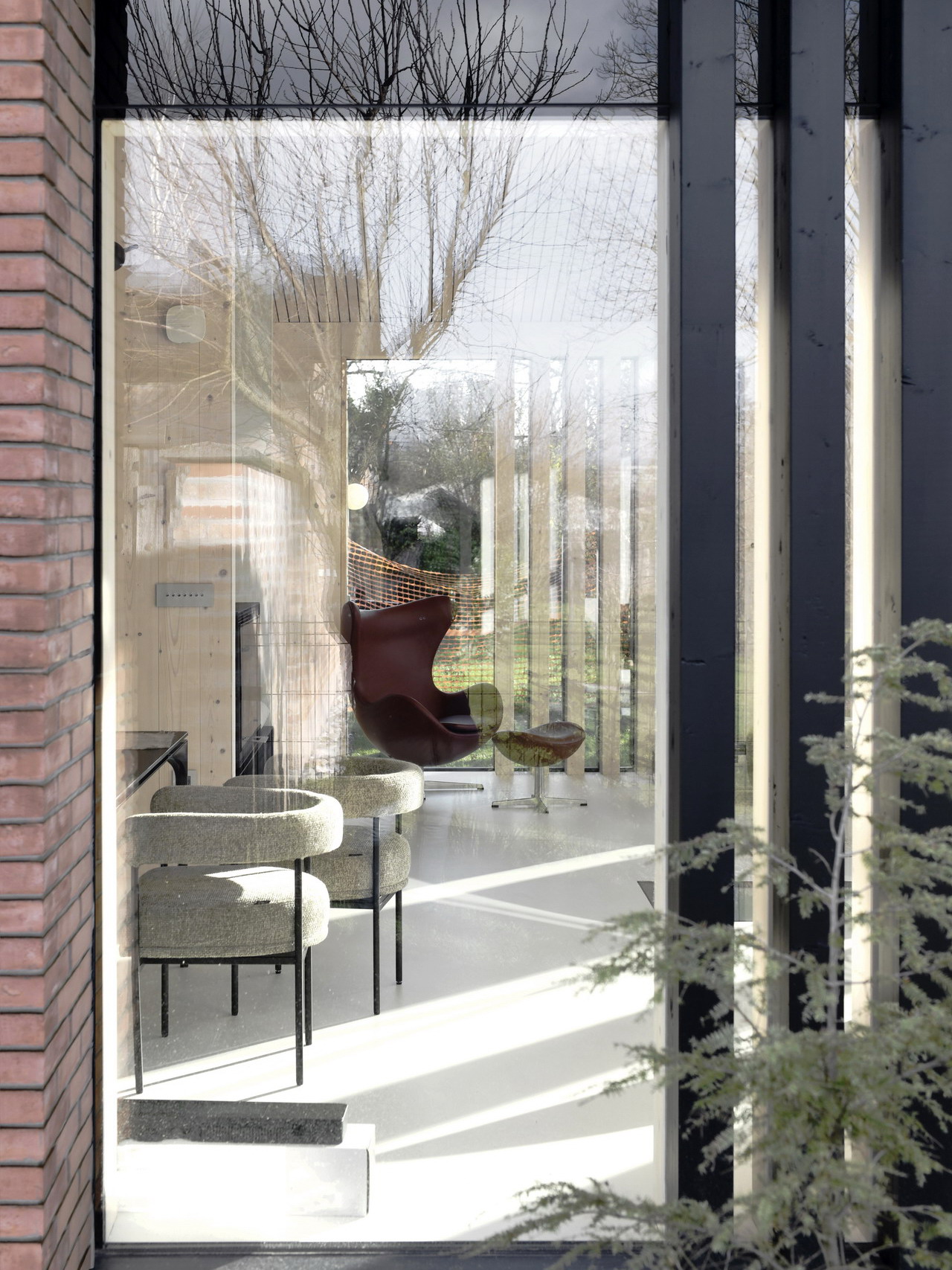
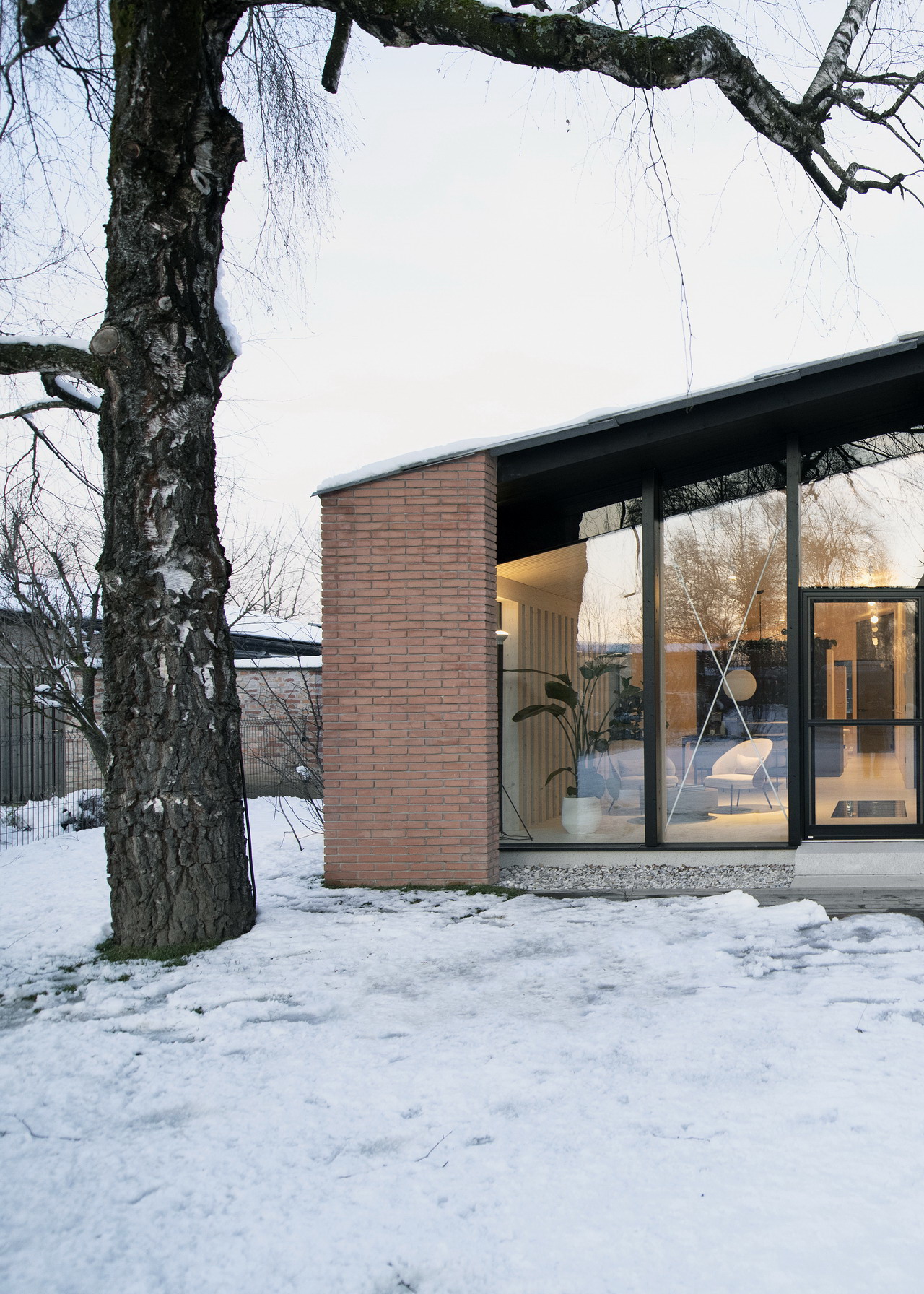
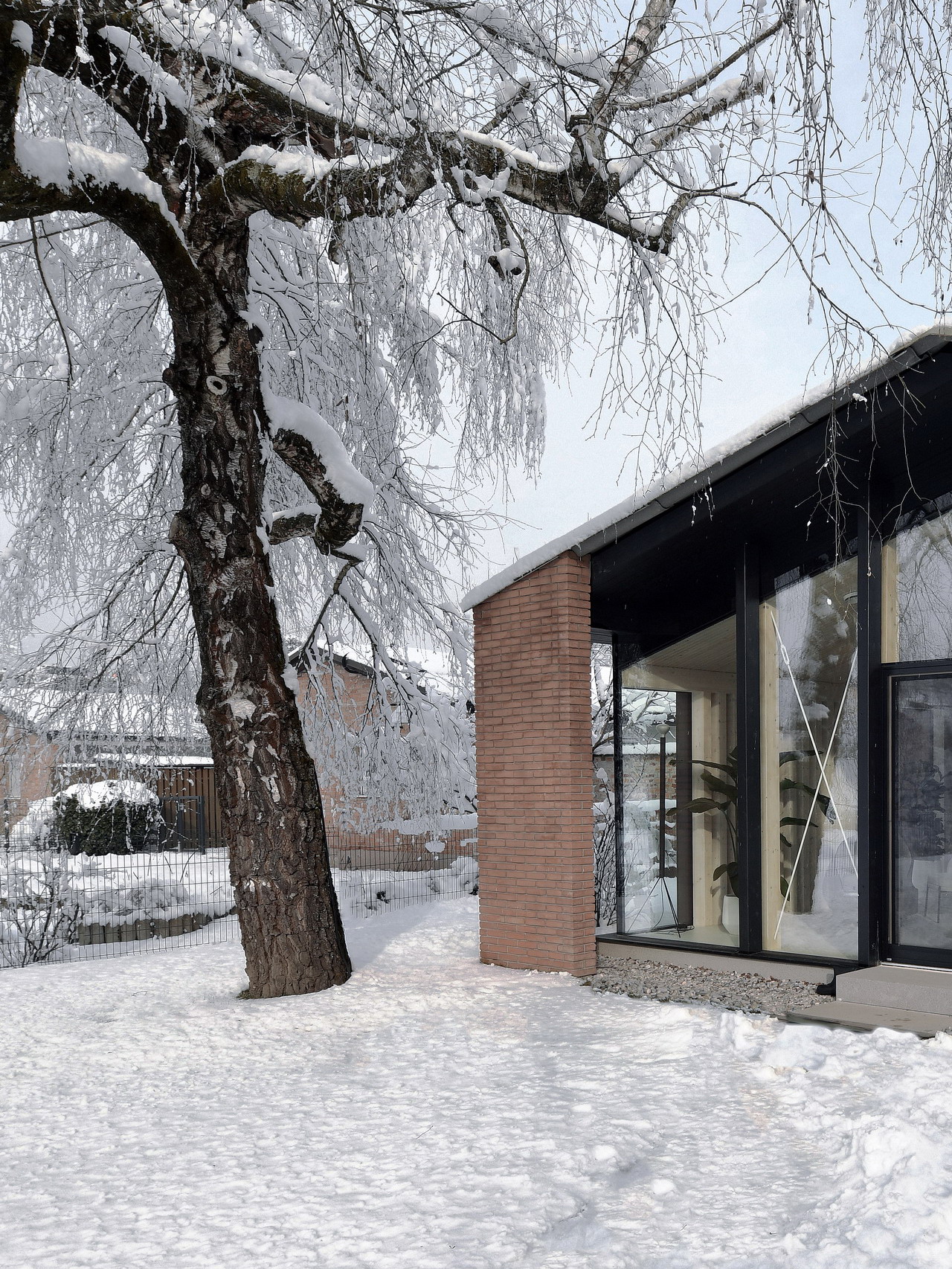
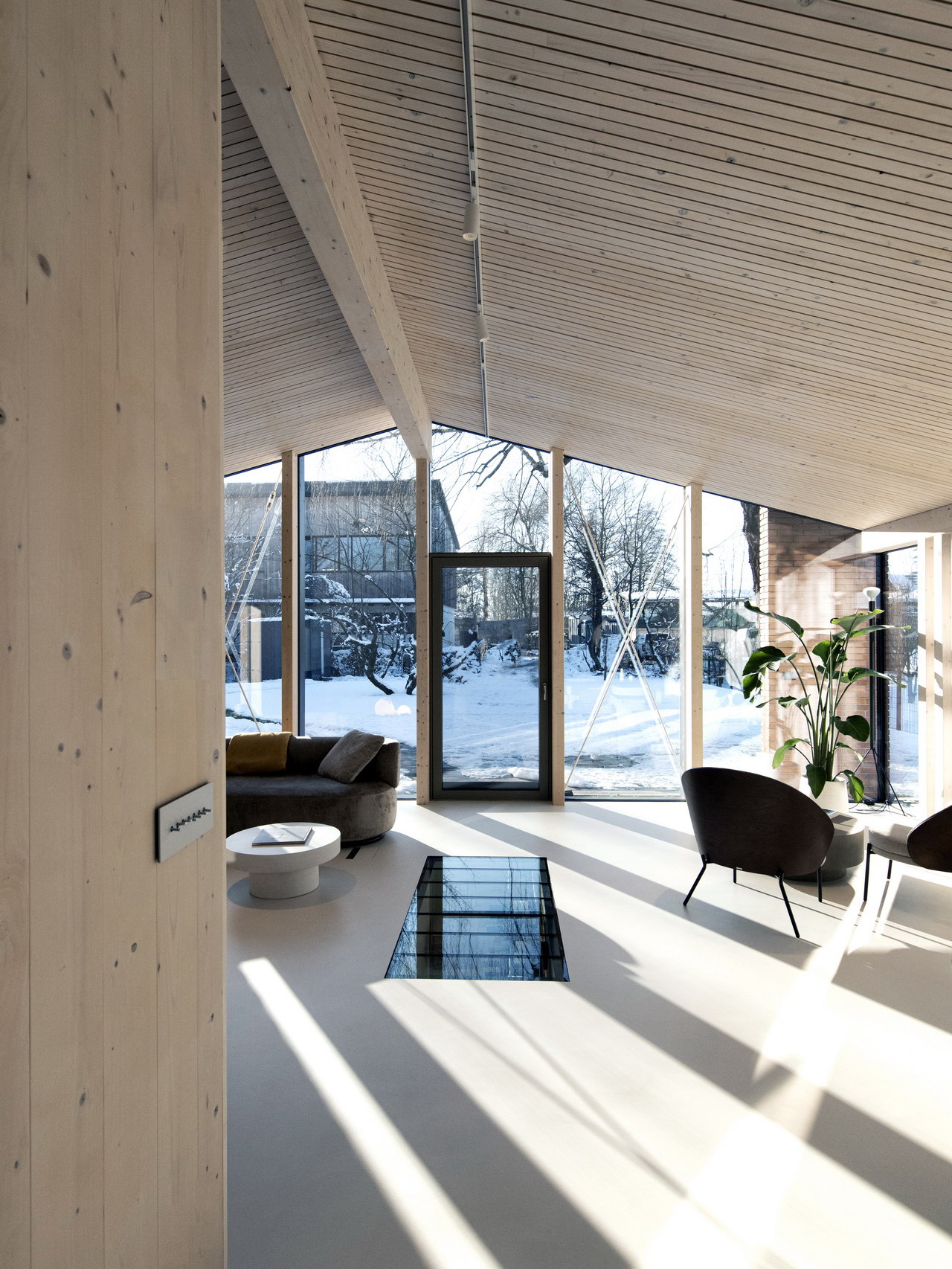
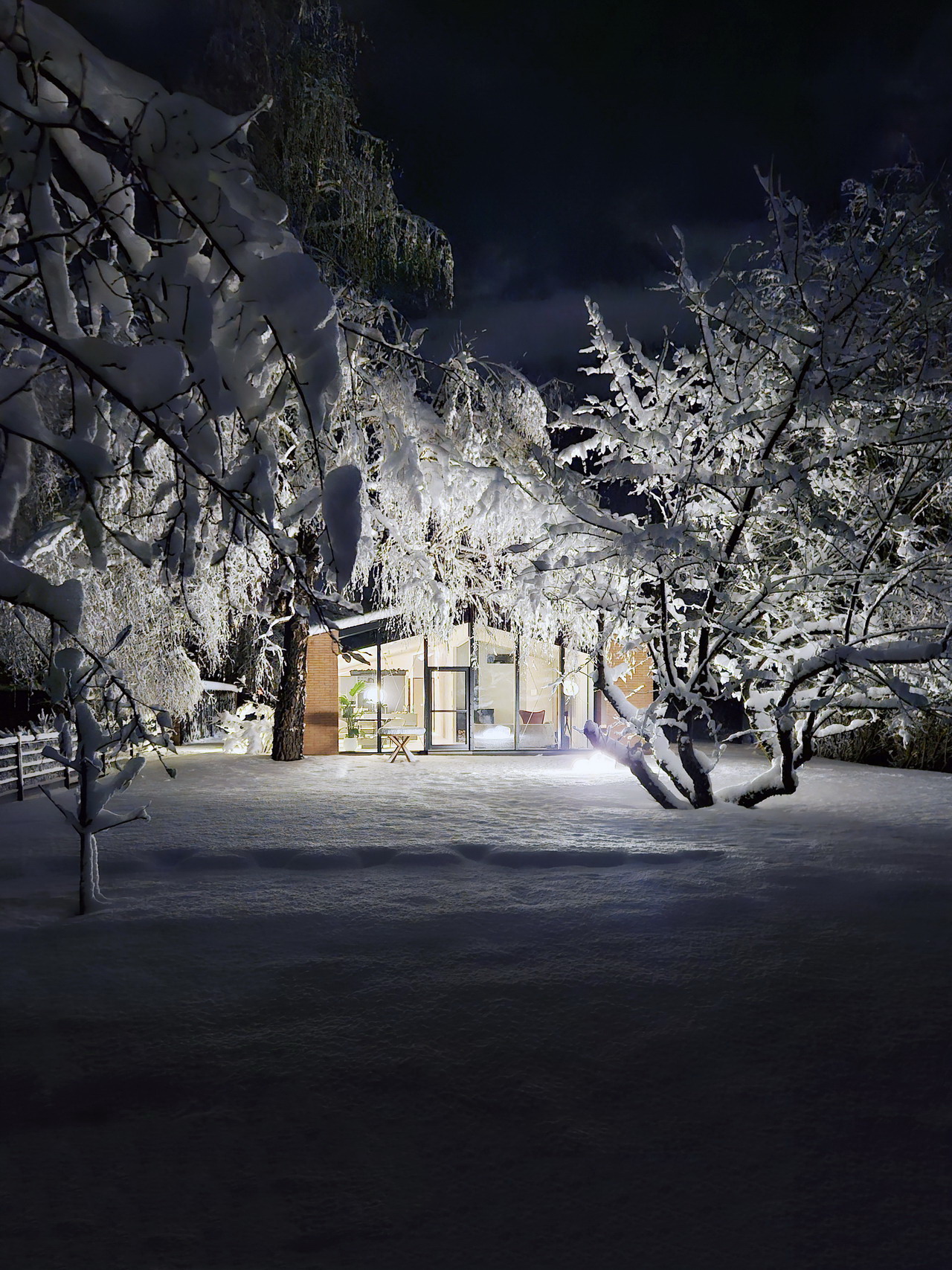
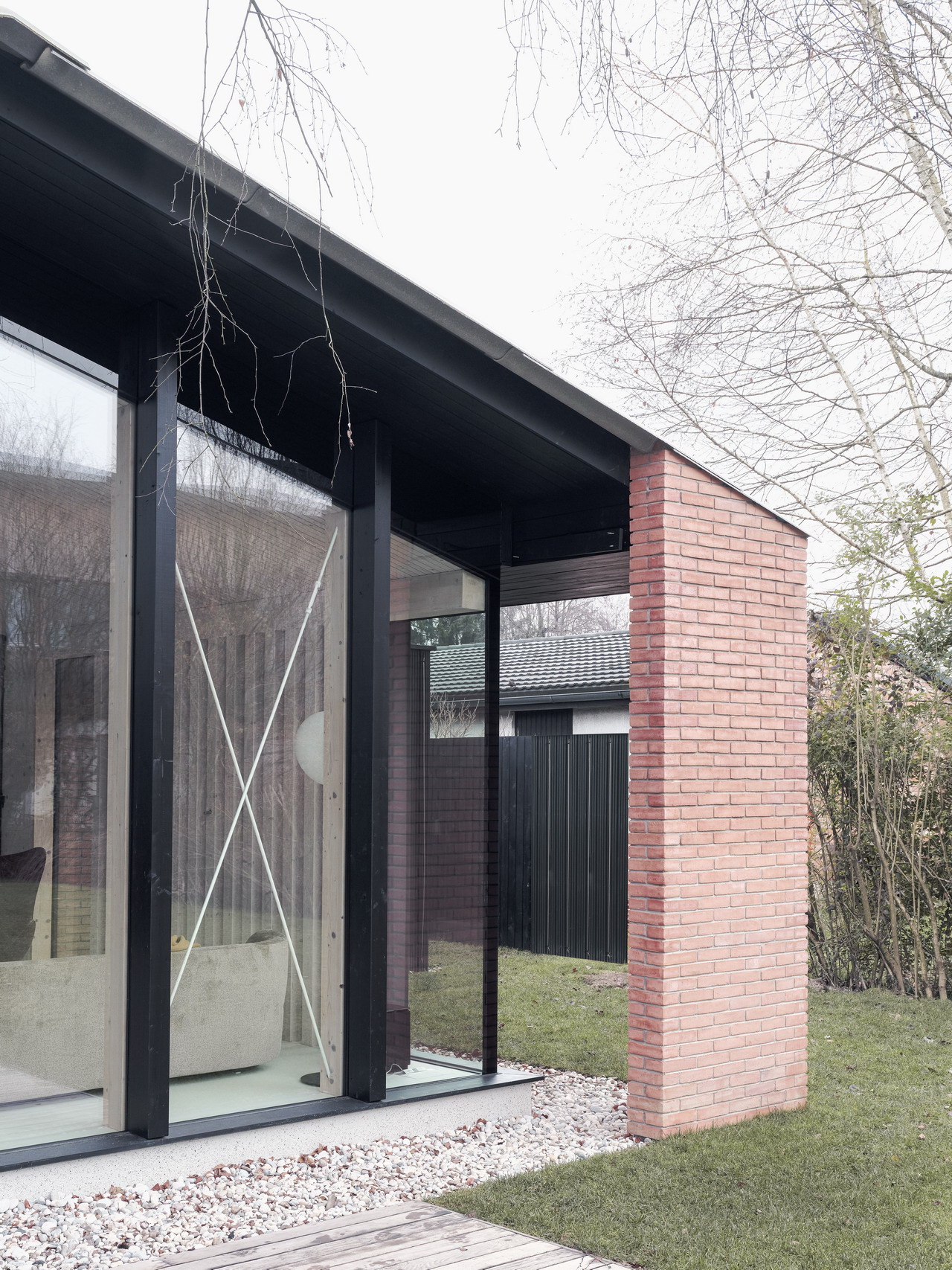
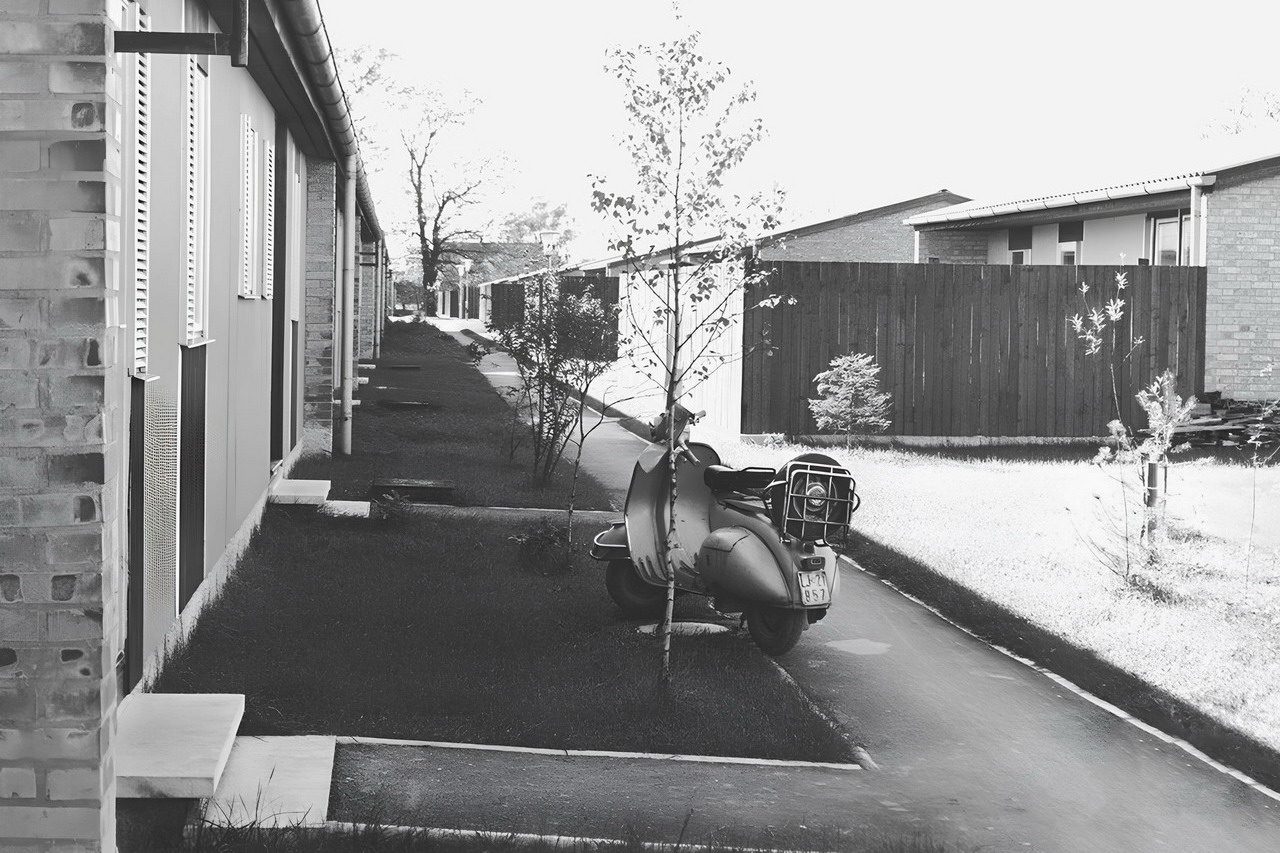
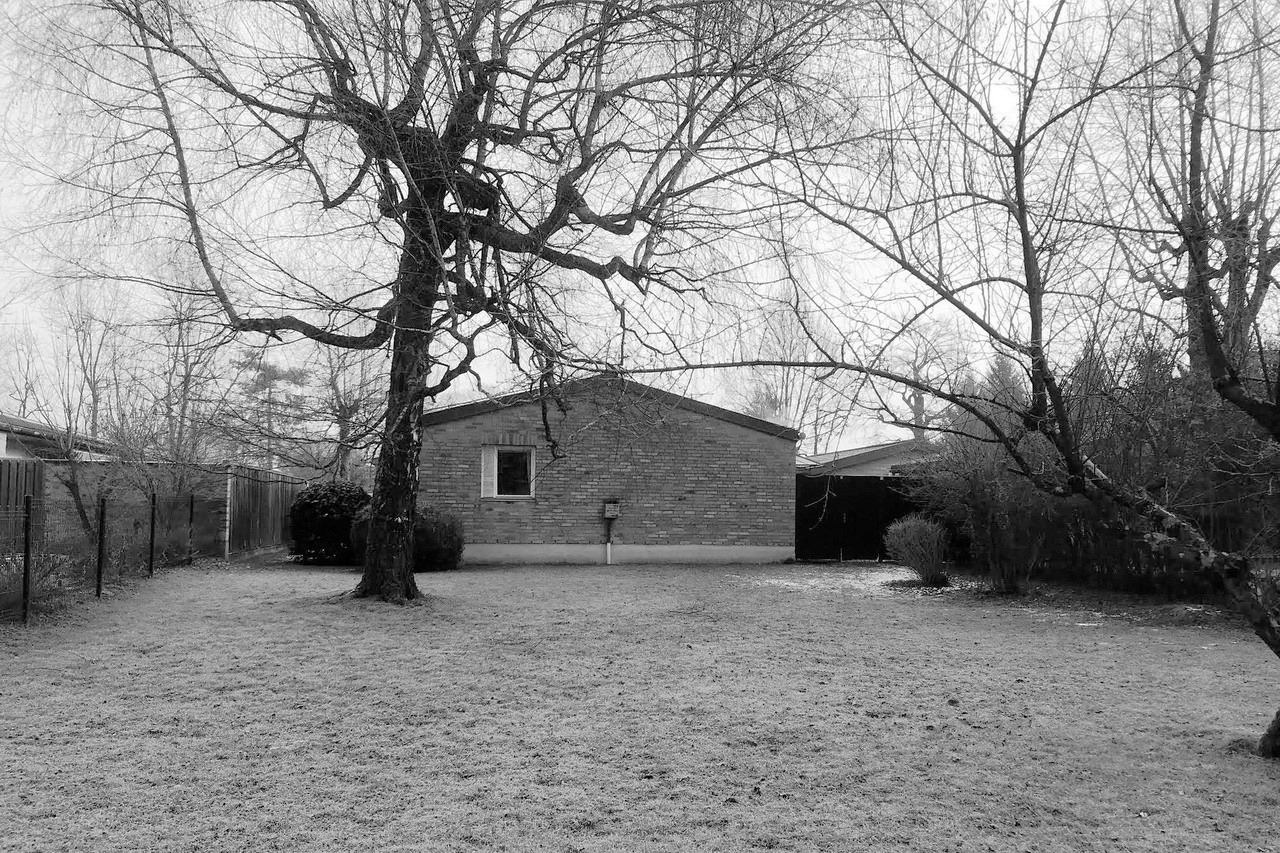
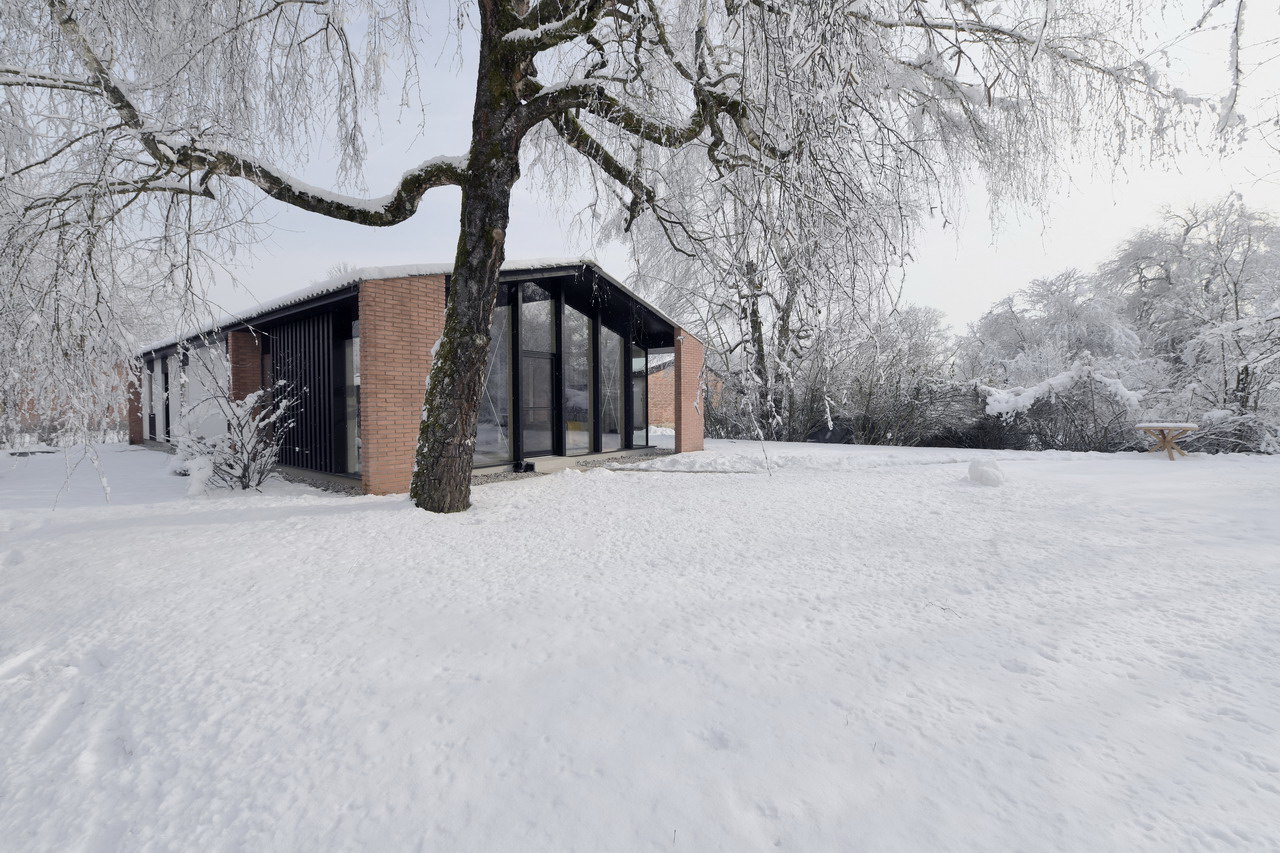
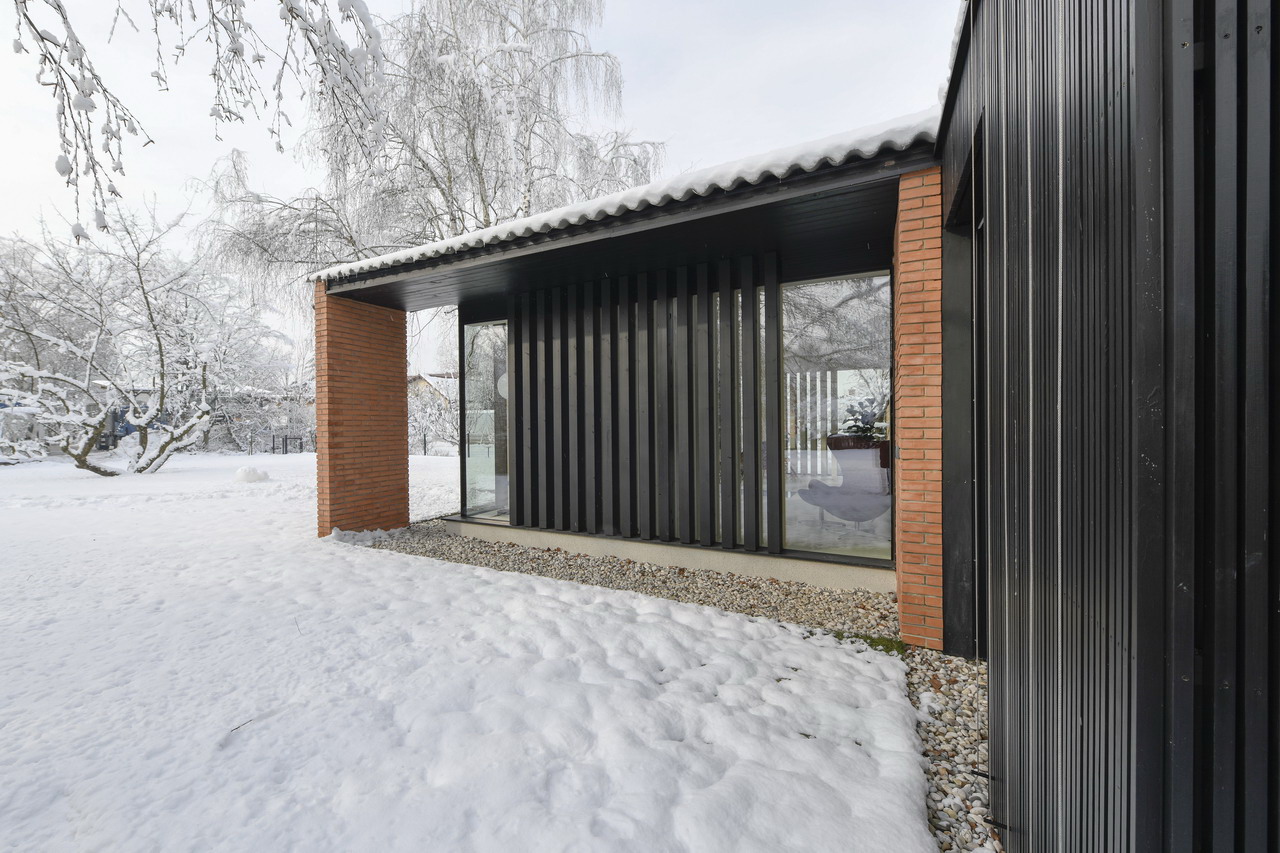
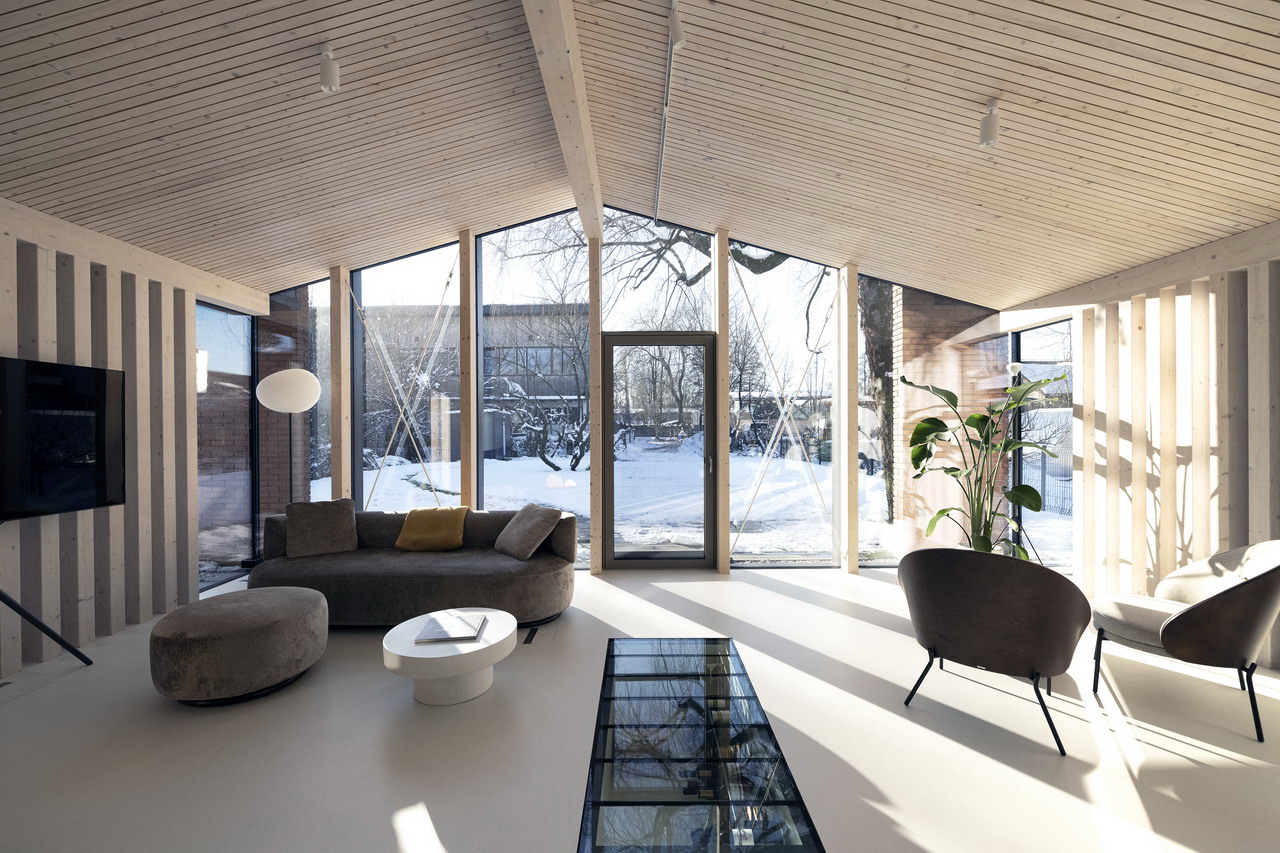
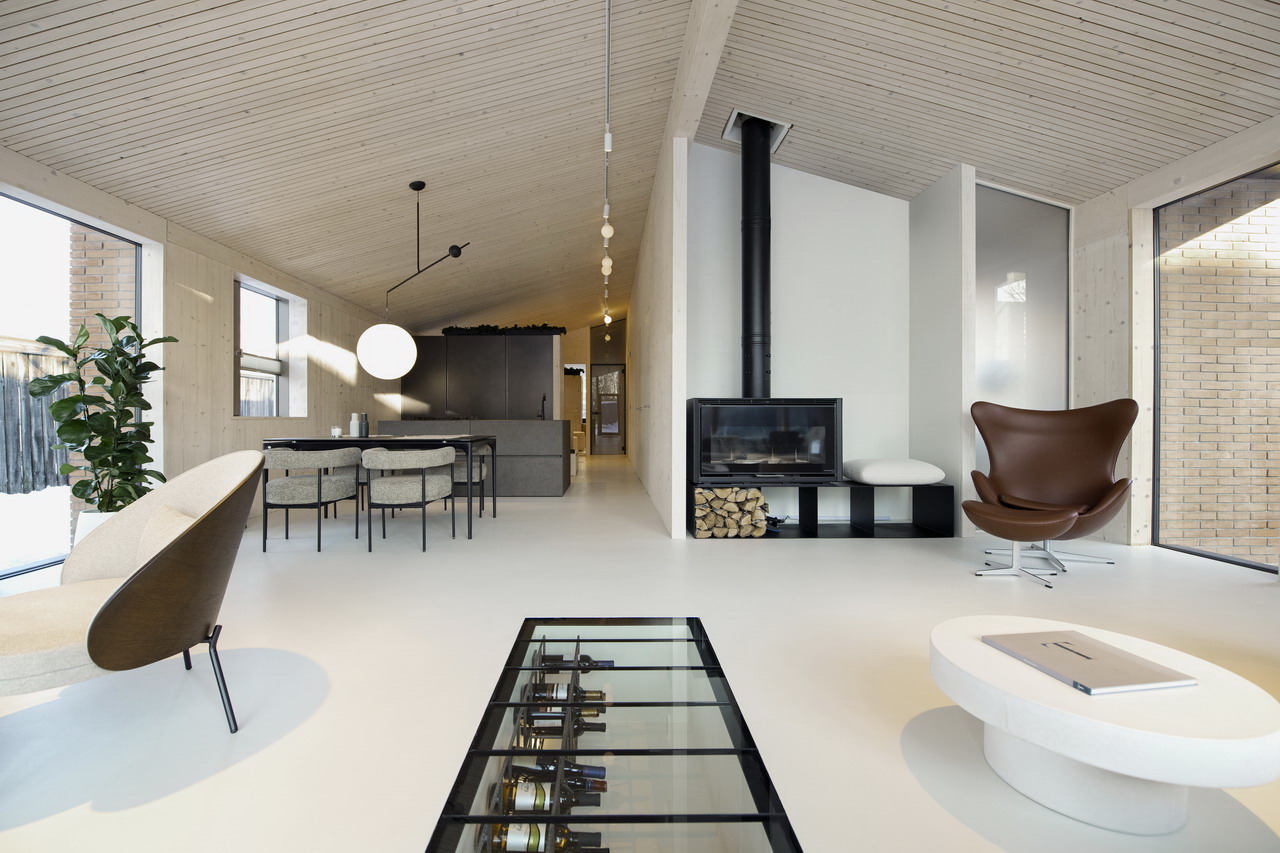
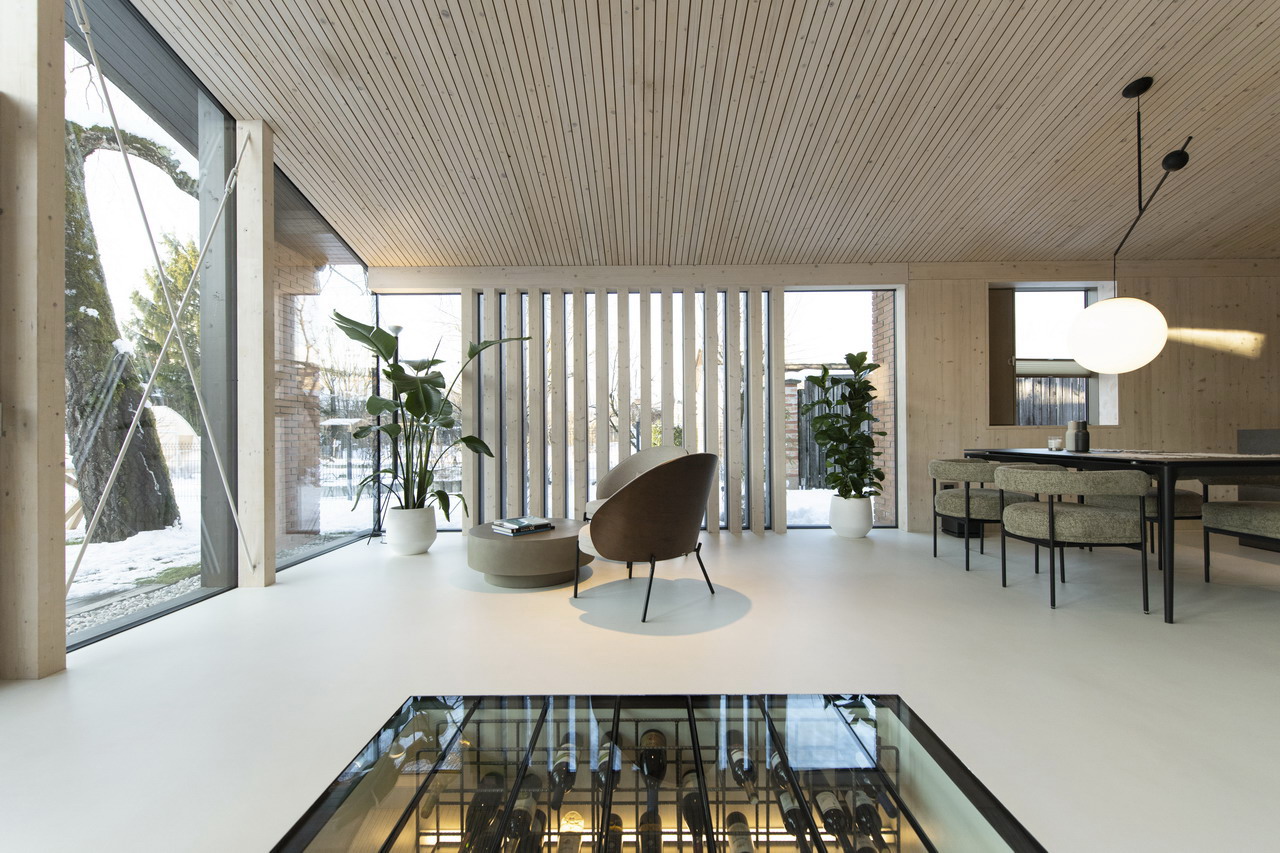
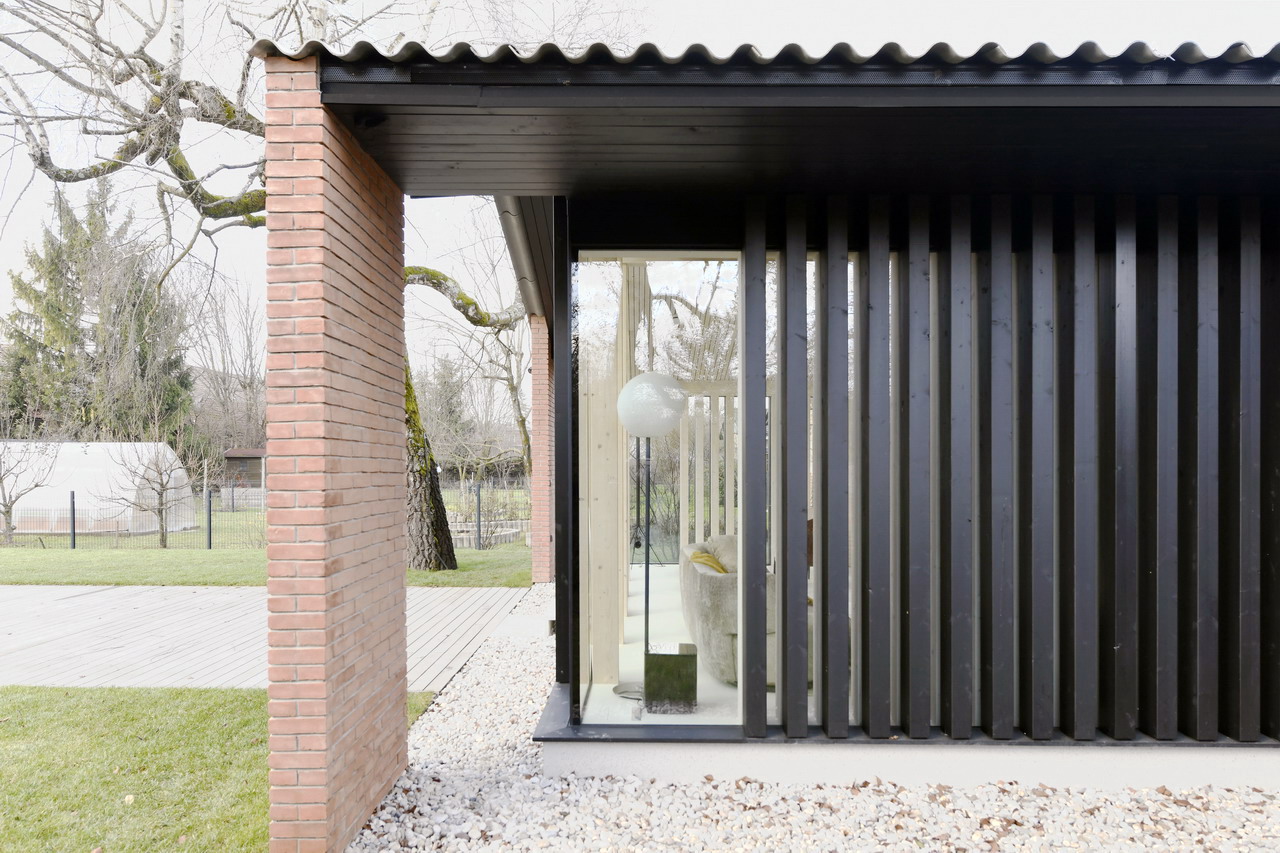
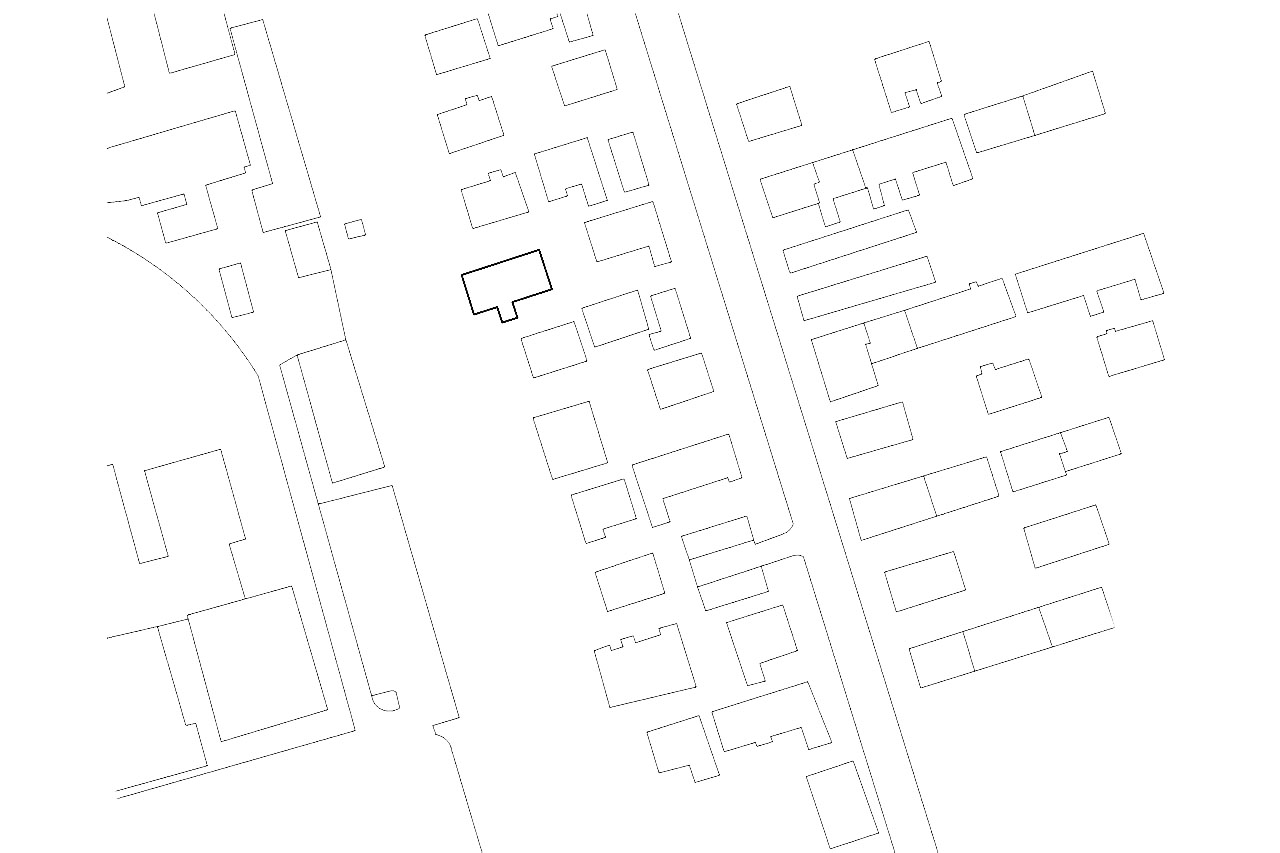
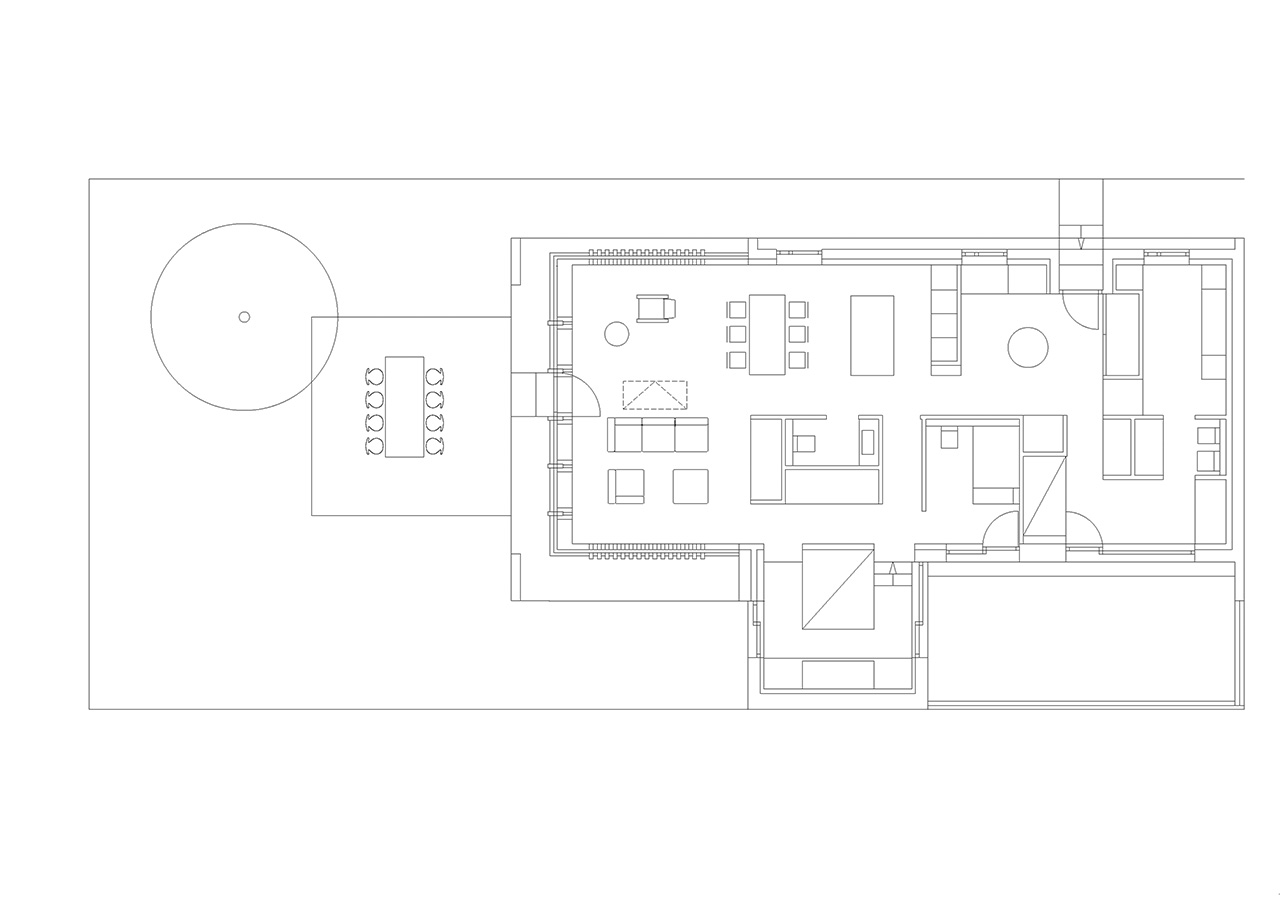
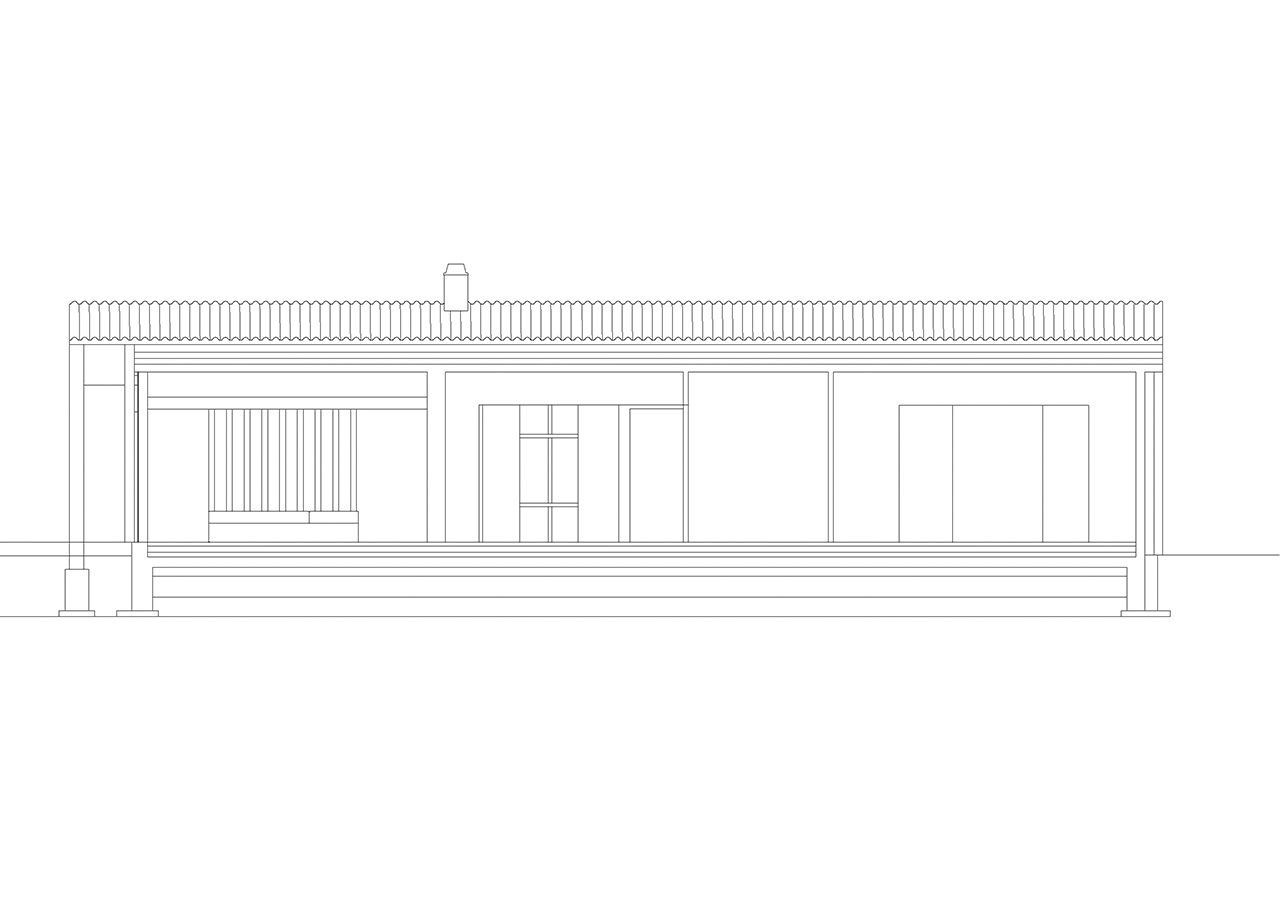
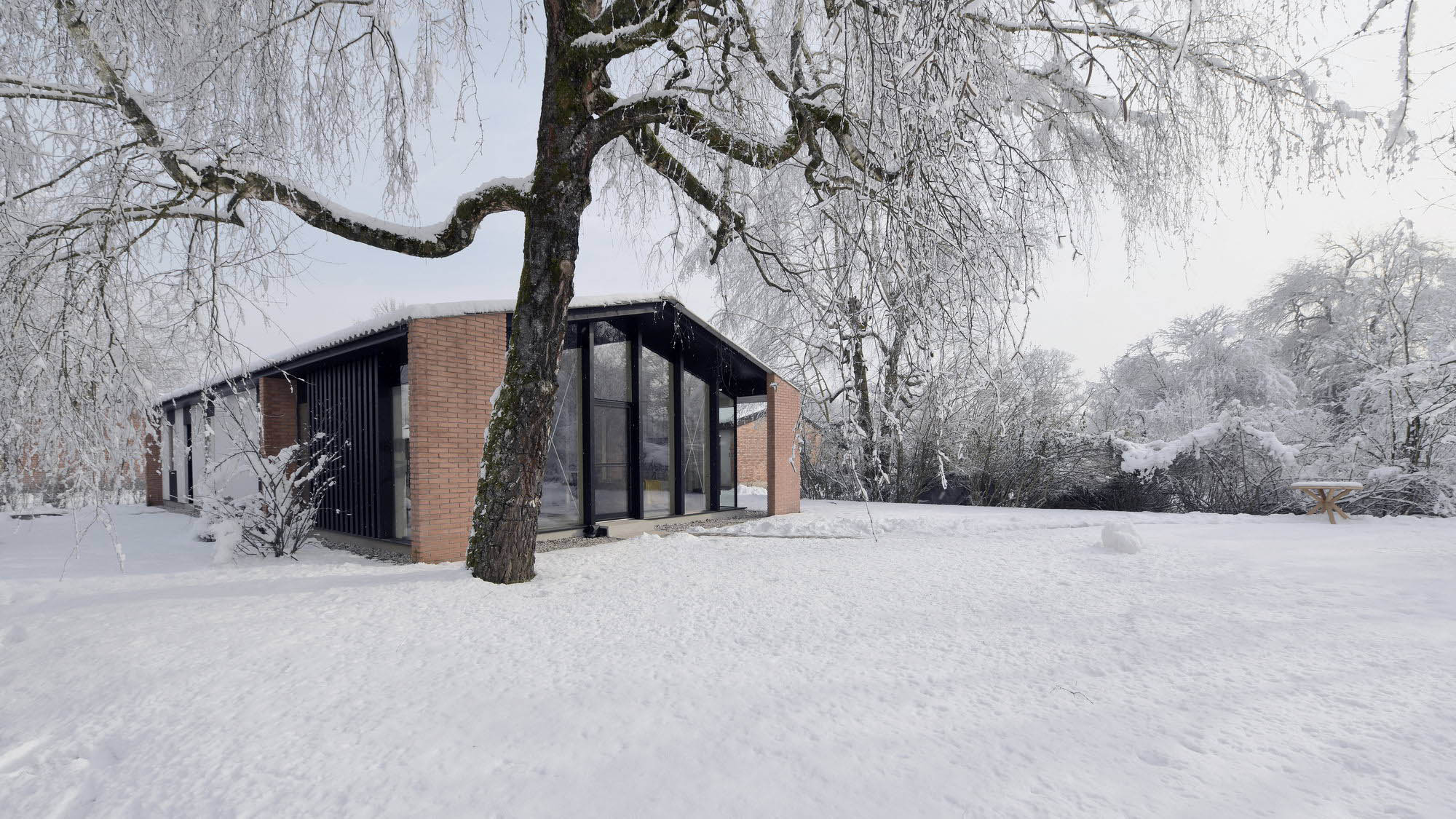
The house under the poplars stands in a row of low atrium houses in Murgle, a neighborhood designed by the Slovenian architects Ivan and Marta Ivanšek and built in several phases between 1965 and 1982. Murgle was originally conceived as a working-class family neighborhood, but soon became elite because of its excellent ambient qualities. The Ivanšek’s concept dictated that the large trees in the area would be preserved. The building pattern was even adapted to this geometry, producing spontaneous irregularities, and the streets were named after the trees (under the oaks, under the birches). The houses in Murgle areextremely simple prefabricated wooden houses that remain relevant today because of their intelligent, low-tech design. Built on marshland, the houses were raised above the ground on strip foundations but not waterproofed, and yet they remain completely dry today. The houses have ventilated roofs that ensure a suitable interior climate. They are small in scale, but sufficient for comfortable living. Architecturally, they are inconspicuous, integrated into the greenery and hardly noticeable among the trees. The Ivanšeks designed the neighborhoodaccording to Scandinavian models, which they adopted during their years living in Sweden. Today, Murgle remains one of the most desirable locations to live in Ljubljana. The House under the Poplars was built during the third phase of Murgle’s development. It is detached from the other houses in the row, positioned at the end of the neighborhood at the edge of a park. This created the possiblility in the renovation to extend the modest basic floor plan of the building. However, because the walls and rooftiles of the original house were made from asbestos, the architects decided to demolish the original house and replace it with an ecological, thermally sufficient structure made of cross-laminated wood panels. In this way, the architects acheived modern energy and climate standards, strengthened the basic structure, and created an atmosphere of well-being that recalls the Scandinavian style that inspired the Ivanšeks. The external envelope and design details of the main house were designed to appear the same as the original house built the 1980s, but the residence is now technologically state-of-the-art. Because the extension was built toward the park, the architects felt free to use a more contemporary, flexible design language, albeit one that remained in harmony with the original principles of the Murgle neighborhood. The extension has a transparent quality that is similar to a greenhouse. It is identified with two brick columns identical to the original façade.A large birch tree grew on the west side of the extension, and this was retained and the foundation designed to accommodate the root system. The roof is elongated and connects the main house with the extension. The new glass-encased volume both functions as an extension of the living space and connects it to the garden. The sidewalls are covered with vertical wood panels that create an intimate shelter for the home. The new glass extension thus appears like an object within an object. The space under the eaves provides protection from rain and shade from the sun.Both the newly-built main house and the extension were implemented in such a way that that they remain in harmony with the design and living principles of the Murgle neighborhood.
Read moreproject team: Rok Oman, Špela Videčnik, Janez Martinčič, Andrej Gregorič, Matej Krajnc, Borut Bernik, Rok Dolinšek, Giulia Sgro technical team Structural engineering: Ekoart hise d.o.o Electrical installation: Tomaž Slatinek s.p. Mechanical installation: SIMEP INŽENIRING s.p.